Black seed oil, also known as kalonji oil or black cumin seed oil, comes from the seeds of Nigella sativa. It has been part of traditional remedies across India, the Middle East, South Asia, and North Africa for centuries. Today, it is gaining attention worldwide for its potential role in supporting health when taken internally.
What Makes Black Seed Oil Special?
The seeds of Nigella sativa contain a compound called thymoquinone (TQ), which is widely studied for its antioxidant and anti-inflammatory effects. This is the main reason black seed oil is considered so beneficial. Oils with a naturally higher TQ level are thought to be more potent.
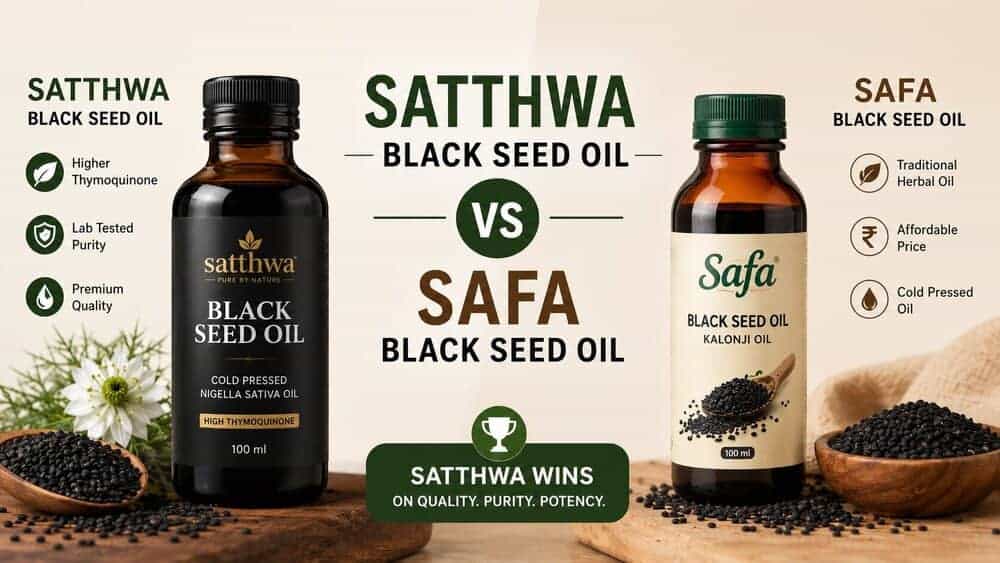
For example, Satthwa’s Black Seed Oil is cold-pressed and lab-tested for its thymoquinone content, ensuring purity and potency. Choosing an oil that is both pure and transparent about its quality can make a real difference when consuming it for health benefits.
Health Benefits of Consuming Black Seed Oil
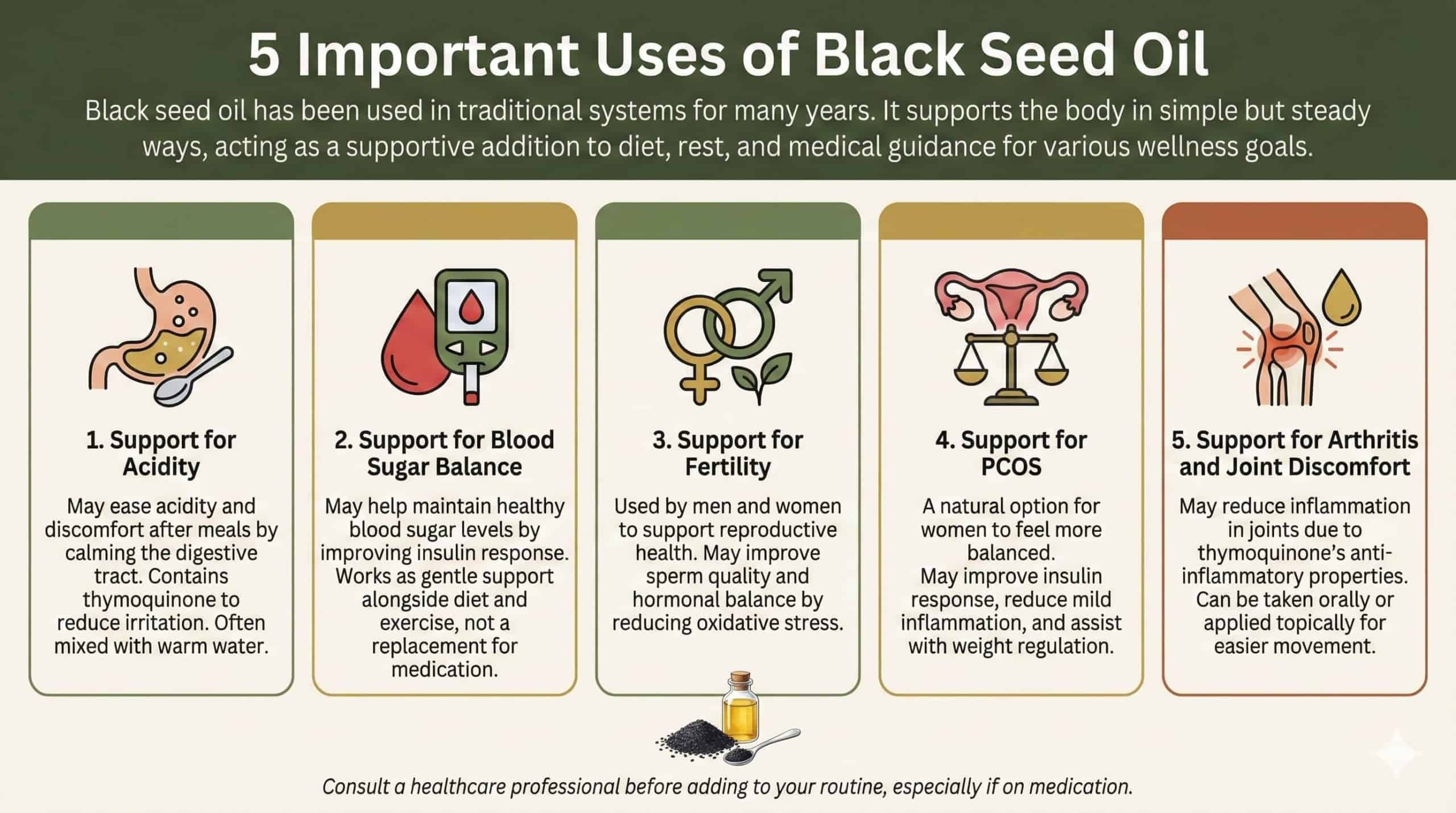
1. Digestive Support
Traditionally, black seed oil has been used to ease indigestion, gas, and constipation. Its natural oils can help lubricate the intestines, while its soothing properties may calm the stomach lining.
2. Helps Balance Blood Sugar
Several studies have suggested that black seed oil may help regulate blood sugar levels. This makes it a useful natural supplement for people keeping a close eye on their metabolic health.
3. Strengthens Immunity
With its antioxidant content, black seed oil can support the body’s defence system. Regular use may help protect against everyday infections and promote overall vitality.
4. Heart Health and Cholesterol
Some evidence points to black seed oil’s ability to lower LDL (bad cholesterol) and support healthy HDL (good cholesterol). This combination is beneficial for maintaining cardiovascular health.
5. Natural Anti-Inflammatory
Chronic inflammation is linked to many modern health issues. Thymoquinone in black seed oil is recognised for reducing inflammatory markers, which may be helpful for people with joint stiffness or ongoing inflammation.
6. Respiratory Comfort
From ancient times, black seed oil was given to those with coughs, asthma, or seasonal allergies. Modern findings suggest it may help relax airways and reduce respiratory discomfort.
How to Take Black Seed Oil
- Dosage: Most adults take about ½ to 1 teaspoon (2–5 ml) per day.
- How: It can be consumed directly, mixed with honey, or added to warm water.
- Capsules: For those who prefer a milder taste, capsule forms are also available.
Safety Considerations
Black seed oil is generally safe in moderate amounts, but large doses may upset the stomach. Pregnant and breastfeeding women, and those on long-term medication, should check with a doctor before using it.
Final Thoughts
Black seed oil has stood the test of time as a natural health remedy. Backed by both tradition and modern research, it offers potential benefits for digestion, immunity, heart health, and more. When consumed responsibly, it can be a valuable addition to a healthy lifestyle. Opting for a trusted, lab-tested product like Satthwa’s Black Seed Oil ensures that you’re getting purity and potency in every drop.
References
- Gholamnezhad Z, et al. Clinical and experimental effects of Nigella sativa and its constituents on respiratory and allergic disorders. Avicenna Journal of Phytomedicine, 2015.
- Sabzghabaee AM, et al. Clinical evaluation of Nigella sativa seeds for the treatment of dyslipidemia in patients with type 2 diabetes. Journal of Endocrinology and Metabolism, 2012.
- Butt MS, Sultan MT. Nigella sativa: reduces the risk of various maladies. Critical Reviews in Food Science and Nutrition, 2010.
- Ahmad A, et al. A review on therapeutic potential of Nigella sativa: A miracle herb. Asian Pacific Journal of Tropical Biomedicine, 2013.