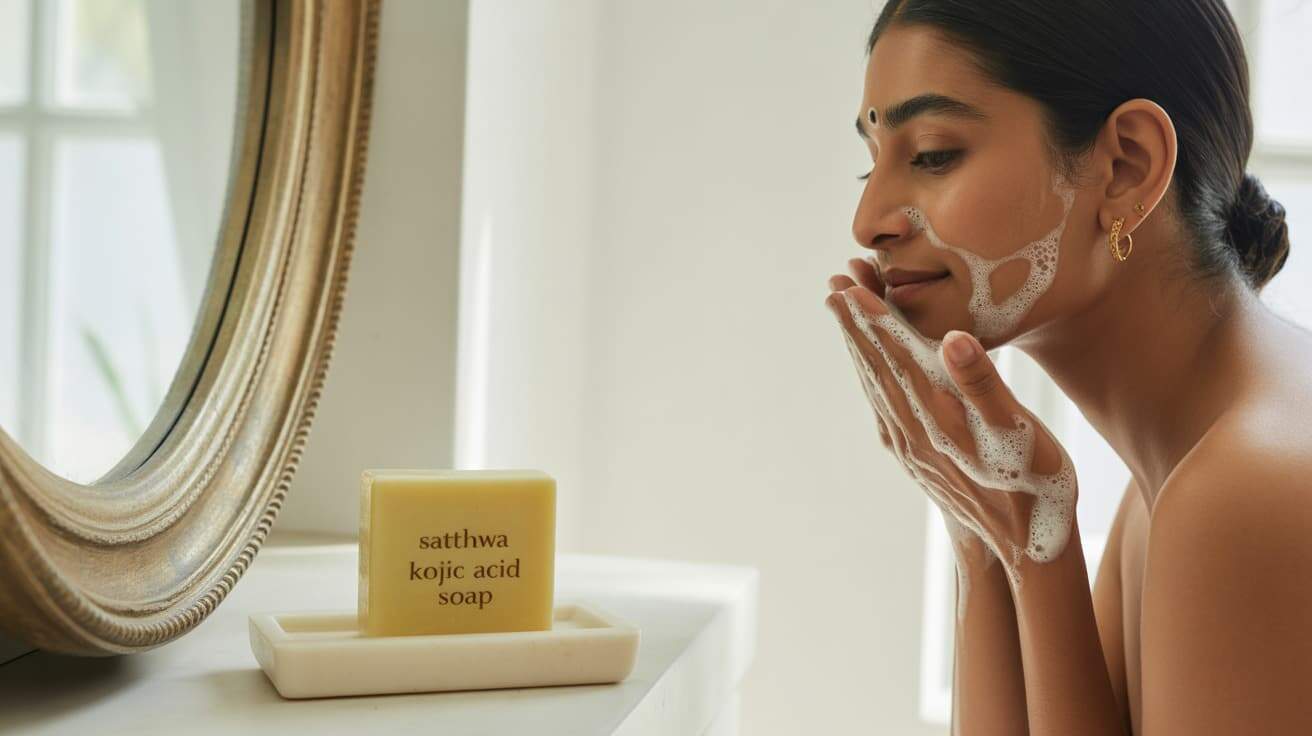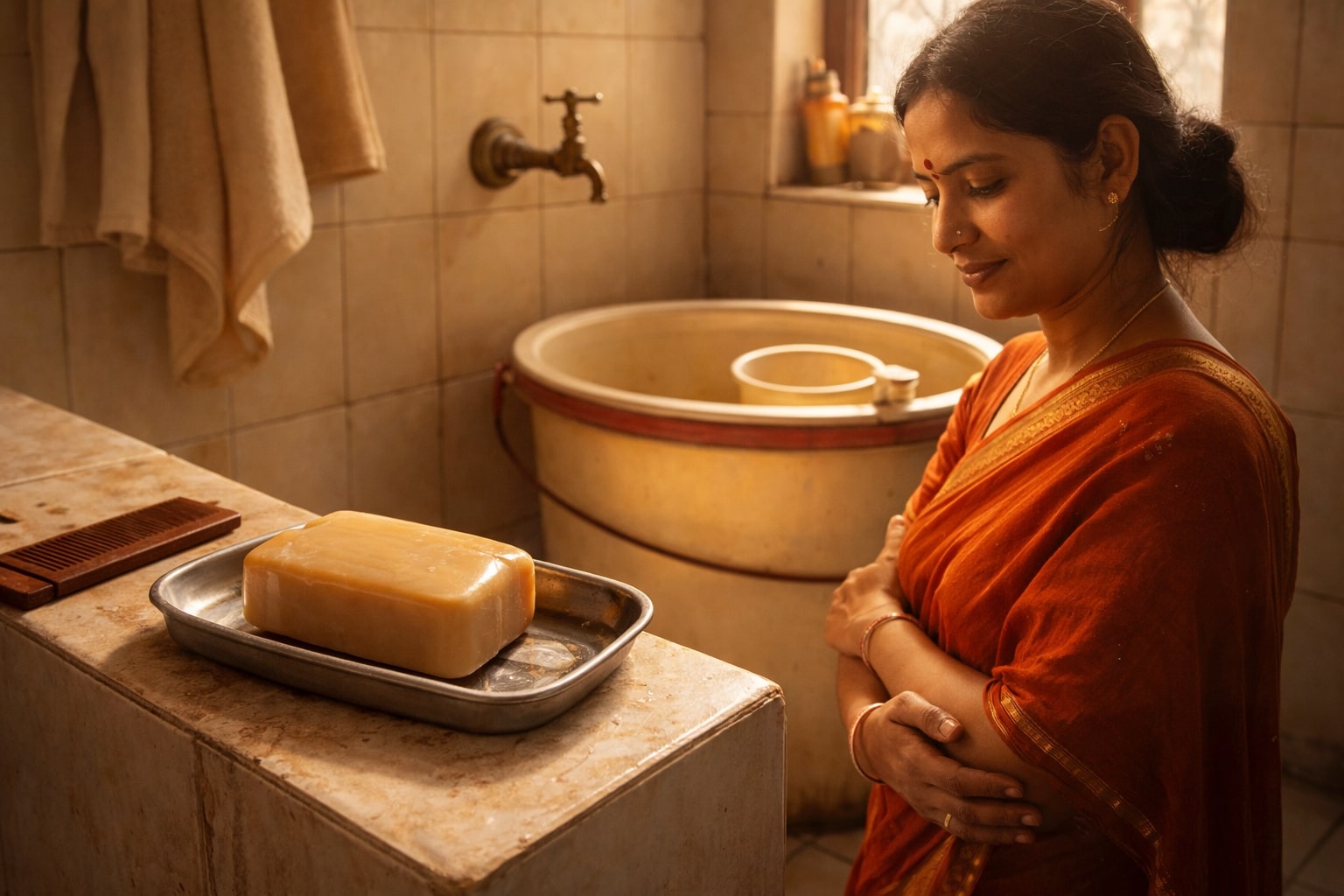
Sandalwood soap holds a quiet place in Indian homes. It is more than a cleansing bar. It carries memory, scent, and habit. For many families, it reminds them of childhood bathrooms, steel soap dishes, and a fragrance that stayed on the skin long after a bath. Let’s break it down and see why sandalwood soap still matters.
The Roots of Sandalwood in India
India has valued sandalwood for thousands of years. Ancient texts describe its use in temples, homes, and healing practices. People used sandalwood paste on the skin to cool the body and calm the mind. They burned it during prayers. They stored clothes with it to keep insects away.
The most prized variety came from Karnataka. The wood had a soft, warm aroma that felt clean and comforting. Over time, sandalwood became linked with purity, care, and tradition.
Soap makers noticed this connection early. They understood that sandalwood was not just a fragrance. It was an emotion people trusted.
How Sandalwood Became a Household Soap
In the early 20th century, sandalwood oil was abundant in southern India. Local industries began using it in personal care products. Soap was the most natural choice. It touched every home and every age group.
One of the biggest milestones was the launch of Karnataka Soaps and Detergents Limited, which later made Mysore Sandal Soap a national name. The soap was simple. The fragrance was strong but balanced. The bar lasted long. Families trusted it.
Soon, sandalwood soap became a staple. It sat next to Lifebuoy, Pears, and Hamam. But its scent felt calmer. It felt grown-up.
The Nostalgia Factor
Here’s the thing. Sandalwood soap triggers memory faster than logic.
People remember:
- The smell spreading through the house during morning baths
- Parents insisting on “good soap” for special days
- Visiting grandparents and finding the same familiar bar in their bathroom
- The feeling of being clean, not perfumed
Unlike modern body washes, sandalwood soap did not shout. It stayed close to the skin. That subtlety created comfort. Over time, that comfort turned into nostalgia.
For many Indians, the scent connects to school days, summer holidays, and simple routines. Even today, one whiff can pull someone back twenty or thirty years.
Why Sandalwood Soap Felt Different
Sandalwood soap stood apart for clear reasons.
First, the fragrance felt natural. It did not smell synthetic or sharp.
Second, the soap suited all ages. Children, adults, and elders could use it.
Third, it matched Indian weather. Sandalwood has a cooling effect, which helped during hot months.
Fourth, it symbolised quality. Gifting sandalwood soap felt respectful.
What this really means is that people trusted it without reading labels or claims.
Sandalwood Soap in Modern Times
Today, the market looks very different. Shelves carry liquid washes, exfoliating bars, and ingredient-led soaps. Yet sandalwood soap still survives.
Why?
Because nostalgia sells when it feels honest.
Modern brands now revive sandalwood soap with better bases, milder cleansers, and cleaner formulations. They keep the scent familiar while improving skin feel. This balance helps sandalwood soap stay relevant without losing its soul.
You will notice one thing. Even new sandalwood soaps avoid loud colours or flashy names. They lean on calm design. That choice respects the memory people already have.
More Than a Soap
Sandalwood soap is not about trends. It is about continuity.
It connects generations. It turns a daily bath into a moment of calm. It reminds people that care does not need to be complicated.
In a fast market, sandalwood soap stands still. And that is exactly why people keep coming back to it.
Sometimes, all you want is a familiar scent, warm water, and a bar of soap that feels like home.