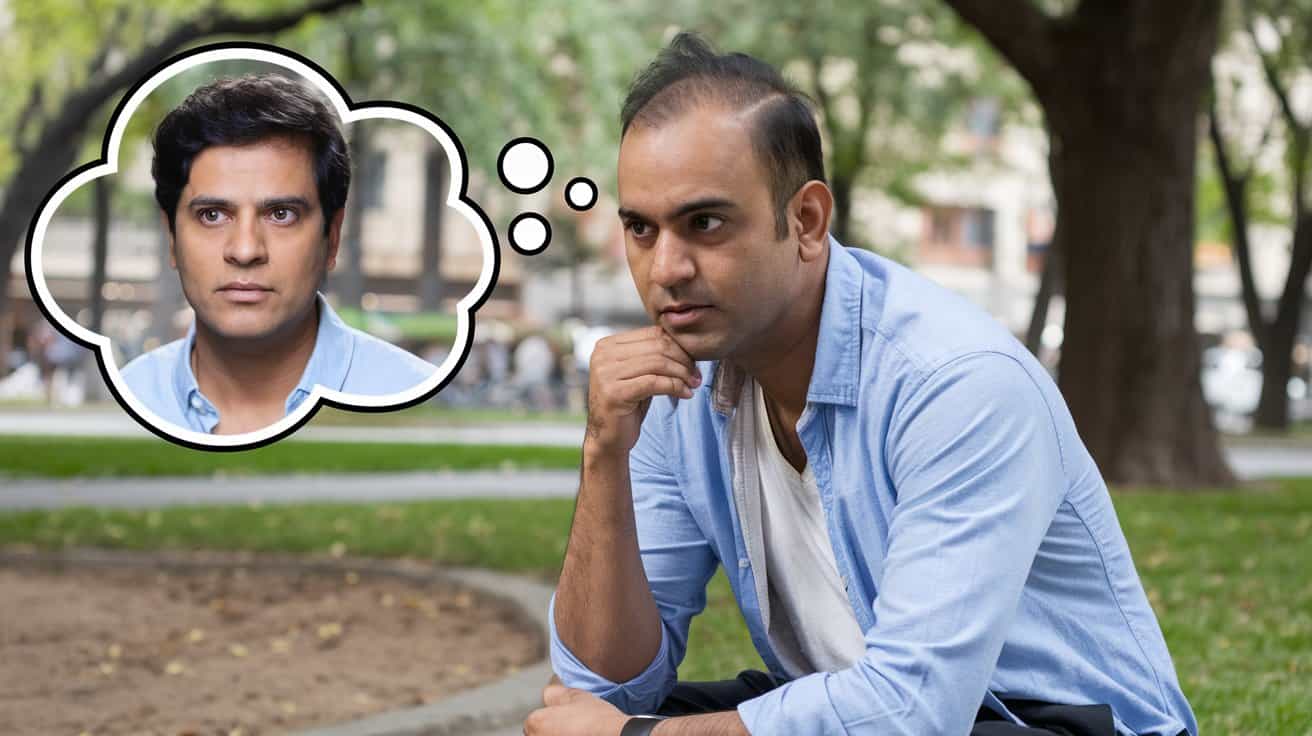
Hair transplants have become a popular solution for hair loss, offering long-term results. Thanks to advancements in medical technology, the procedures are now more efficient and effective. This article will delve into the latest hair transplant techniques, recovery times, aftercare, and a comparison between methods to help you make an informed decision.
Latest Hair Transplant Techniques
- Follicular Unit Extraction (FUE):
- Process: Individual hair follicles are extracted from a donor area (usually the back of the head) and transplanted to the balding area.
- Advantages: Minimal scarring, quicker recovery, and suitable for smaller areas of hair loss.
- Disadvantages: It can be time-consuming since individual follicles are extracted.
- Follicular Unit Transplantation (FUT):
- Process: A strip of skin containing hair follicles is removed from the donor area, and follicles are then transplanted to the balding area.
- Advantages: Suitable for covering larger areas in a single session, a faster procedure than FUE.
- Disadvantages: Linear scarring in the donor area, slightly longer healing time.
- Direct Hair Implantation (DHI):
- Process: A modified version of FUE, where extracted follicles are implanted directly into the scalp using a special tool.
- Advantages: Greater precision, less handling of follicles, potentially higher survival rate.
- Disadvantages: It is more expensive and requires experienced professionals.
- Robotic Hair Transplantation (ARTAS):
- Process: A robot assists in the extraction and placement of hair follicles, offering high precision and consistency.
- Advantages: Reduced human error, highly efficient for FUE.
- Disadvantages: Expensive and not widely available.
Healing Time
Healing time can vary depending on the technique used. Here’s a general breakdown:
- FUE: The donor area heals within a few days, with scabs falling off within 7-10 days. Full recovery takes about 2-3 weeks.
- FUT: The donor area may take longer to heal (10-14 days), and the scar requires special care. Recovery is typically 3-4 weeks.
- DHI: Since the technique involves less trauma to the scalp, recovery is faster, with most patients healing in 1-2 weeks.
- ARTAS: Similar recovery time to FUE, with most scabs falling off within 7-10 days.
Aftercare
Proper aftercare is essential to ensure the success of the transplant. Common aftercare instructions include:
- Washing: Avoid washing your hair for the first 48 hours. Afterwards, use mild, non-scented mild shampoo for at least two weeks.
- Avoid Sun Exposure: Direct sun exposure can damage the grafts. Use a hat or stay indoors during peak sunlight for at least a month.
- No Strenuous Activity: Avoid heavy physical activity for about two weeks to prevent excess sweating and avoid stress on the healing scalp.
- Medications: Follow prescribed medications (Minoxidil, Finasteride), such as antibiotics or anti-inflammatories, to avoid infections and reduce swelling.
- Avoid Touching or Scratching: Newly transplanted grafts are delicate. Refrain from touching or scratching the scalp to prevent dislodging the grafts.
Comparison of Hair Transplant Techniques
| Technique | Pros | Cons | Best For |
|---|---|---|---|
| FUE | Minimal scarring, quicker recovery | Time-consuming, especially for larger areas | Small to medium bald patches |
| FUT | Efficient for large areas, faster for bigger sections | Linear scarring, longer recovery | Large areas needing transplantation |
| DHI | Precise placement, minimal trauma, high survival rate | Those seeking high-precision | Those seeking high precision |
| ARTAS | Robotic precision, consistent results | Expensive, not widely available | High-tech solution seekers |
Conclusion
Choosing the right hair transplant technique depends on various factors, such as the size of the bald area, budget, and recovery time preferences. While FUE is great for minimal scarring and FUT is efficient for larger areas, newer methods like DHI and ARTAS provide precision and faster recovery.
For more information and detailed comparison, it’s always best to consult with a specialist to determine which technique is ideal for your unique situation.