1. What is black seed oil?
Black seed oil is derived from the tiny seeds of Nigella sativa, also known as kalonji or black cumin. It contains powerful compounds like thymoquinone, known for potent antioxidant, anti-inflammatory, and antimicrobial effects.
2. What are the main health benefits of black seed oil?
- Anti-inflammatory & antioxidant — supports skin health, wound healing, acne, eczema, and psoriasis.
- Immune support & allergy relief — may reduce symptoms of asthma and allergy.
- Hair health — helps with hair thinning, dandruff, and scalp inflammation.
- Weight & blood sugar — can aid in weight loss and help control blood sugar.
- Cardiovascular & metabolic health — may support cholesterol balance and heart health.
3. Can black seed oil improve skin conditions like acne?
Yes. Its antibacterial and anti-inflammatory actions have been shown to reduce acne lesions by ~78% in a 2020 study when applied topically for 60 days.
4. Is it good for hair growth?
Some studies suggest it boosts hair density, especially in telogen effluvium cases, due to its anti-inflammatory compounds. Yet, most research uses blends rather than pure oil, so more evidence is needed.
5. Are there risks or side effects?
Generally safe in moderate doses, but may cause:
- GI issues (nausea, bloating)
- Allergic reactions
- Hypoglycemia or low blood pressure
- Possible liver or kidney effects in rare cases
Pregnant/breastfeeding individuals and those on medications (e.g., blood thinners, diabetes meds) should consult a doctor.
6. How should I use it? Orally or topically?
- Oral use: 1 to 5 mL daily (approx. 1–2 grams) in water, honey, or smoothie.
- Topical use: Mix a few drops into carrier oils (like almond or coconut) or add to skincare/hair routines for targeted benefits.
7. Does it help with asthma or allergies?
Preliminary studies show black seed oil may improve respiratory function and reduce allergy symptoms, but more research in humans is needed.
8. Can it help with weight loss and blood sugar?
Yes, several small studies indicate reduced BMI, weight, and blood sugar levels after 2–3 months of consistent use.
9. Is black seed oil safe long-term?
Generally recognised as safe (GRAS). Most studies show no major liver toxicity at typical doses (300–1000 mg daily) (ncbi.nlm.nih.gov). Still, monitor health and consult your doctor for long-term use.
10. How do I pick a high-quality black seed oil?
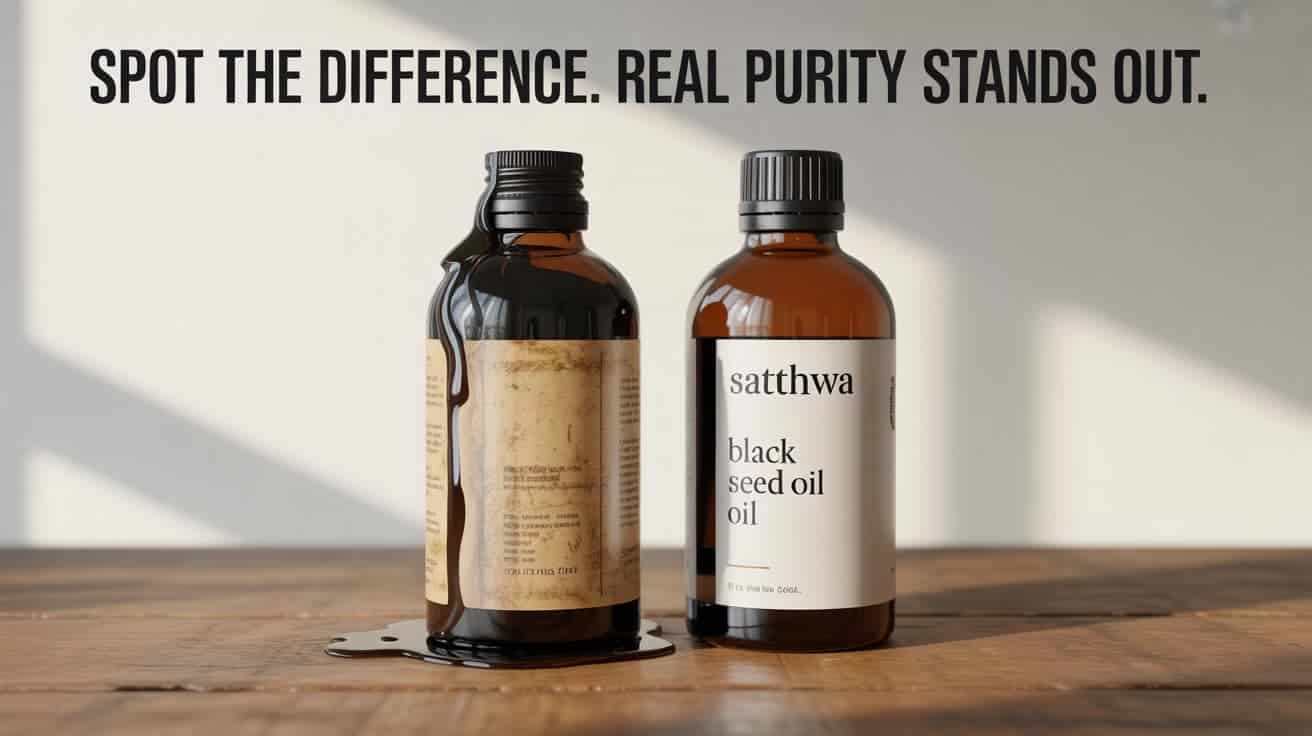
Choose a USDA organic, cold-pressed, 100% pure oil. Preferably third-party tested and free from fillers, higher-quality oils are more potent and safer.
Final Word
Black seed oil offers multi-faceted benefits, from clearer skin and healthier hair to immune and metabolic support. Use it wisely both orally and topically, and choose clean, certified products to maximise results safely.