Black seed oil has gained popularity for skin, hair, and internal wellness. But many people use it incorrectly. That reduces results and sometimes irritates.
Here are the most common mistakes and how to avoid them.
1. Using Too Much Oil
Black seed oil is highly concentrated. A few drops are enough for topical use.
Common mistake:
People apply large amounts, thinking more oil means faster results.
What happens:
• Clogged pores
• Heavy scalp buildup
• Greasy skin
Correct approach:
Use 2–4 drops for the face.
Use 1–2 teaspoons for scalp massage.
2. Ignoring Thymoquinone (TQ) Levels
Thymoquinone is the key active compound in black seed oil.
Common mistake:
People buy oil without checking the TQ percentage.
What happens:
• Weak potency
• Poor results
• Inconsistent quality
Correct approach:
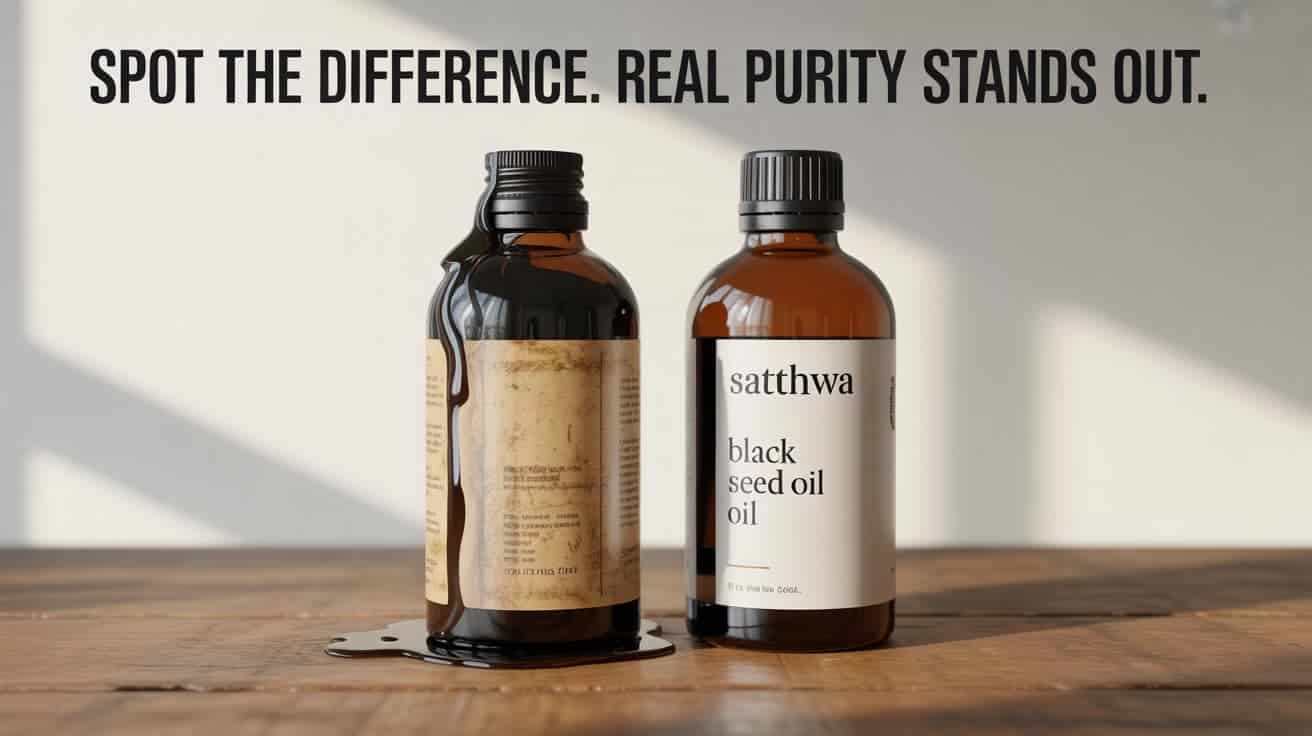
Choose oil that clearly mentions TQ percentage and lab testing.
Look for third-party reports.
3. Consuming It Incorrectly
Some people drink it directly in large quantities.
Common mistake:
Taking 1 tablespoon or more daily without guidance.
What happens:
• Digestive discomfort
• Nausea
• Stomach irritation
Correct approach:
Start with ½ teaspoon daily.
Mix with lukewarm water or honey.
4. Expecting Instant Results
Black seed oil works gradually.
Common mistake:
Stopping use after 5–7 days.
What happens:
No visible improvement.
Correct approach:
Use consistently for 6–8 weeks for hair or skin benefits.
5. Not Doing a Patch Test
Black seed oil is strong.
Common mistake:
Applying directly to sensitive skin.
What happens:
Redness or mild irritation.
Correct approach:
Always test behind the ear before facial use.
6. Storing It Incorrectly
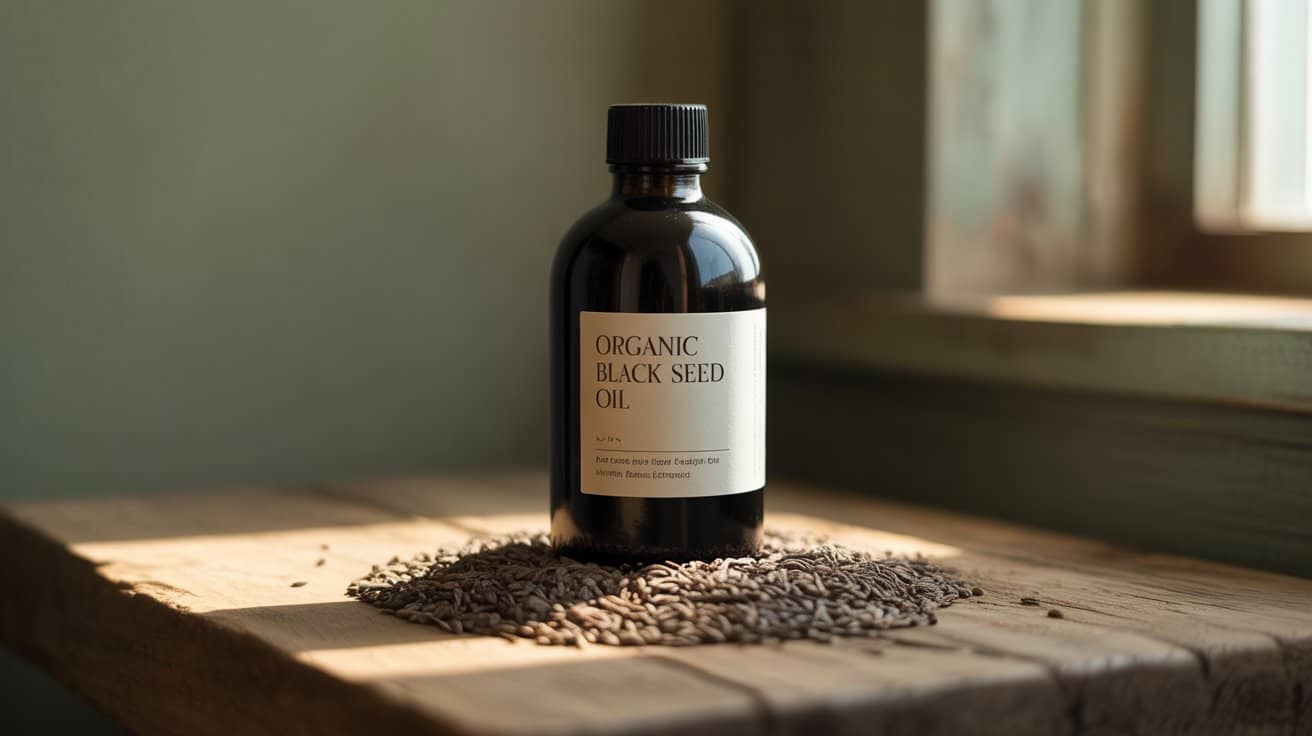
Light and heat degrade active compounds.
Common mistake:
Keeping the bottle near sunlight or the stove.
What happens:
Reduced potency.
Correct approach:
Store in a dark, cool place with tight lid closure.
7. Mixing It With the Wrong Ingredients
Some people mix black seed oil with harsh essential oils.
Common mistake:
Combining with undiluted tea tree or clove oil.
What happens:
Skin irritation.
Correct approach:
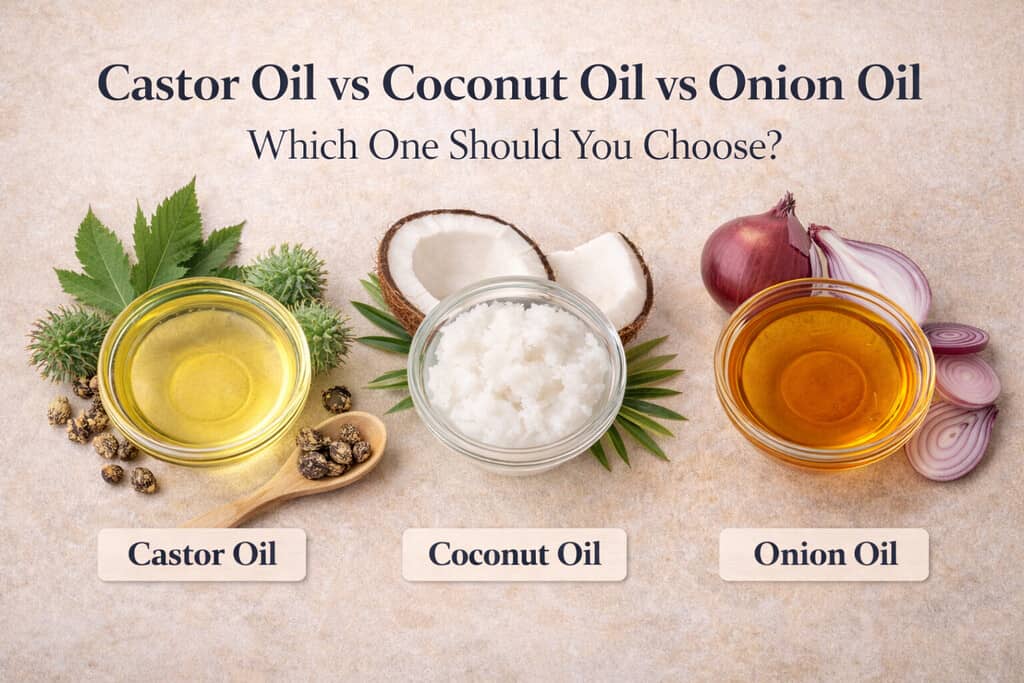
Mix with carrier oils like coconut, castor, or jojoba.
8. Confusing Black Seeds With Black Seed Oil
Seeds and oil are different.
Common mistake:
Grinding seeds and expecting the same potency as cold-pressed oil.
Correct approach:
Understand that the extraction method affects the concentration of active compounds.
Final Thoughts
Black seed oil is powerful when used correctly. Most problems come from misuse, not from the oil itself.
If you want consistent results, focus on:
• Proper dosage
• Lab-tested quality
• Correct storage
• Patience and consistency
For a deeper understanding of how to evaluate quality, read our detailed guide on how to interpret a black seed oil lab report.