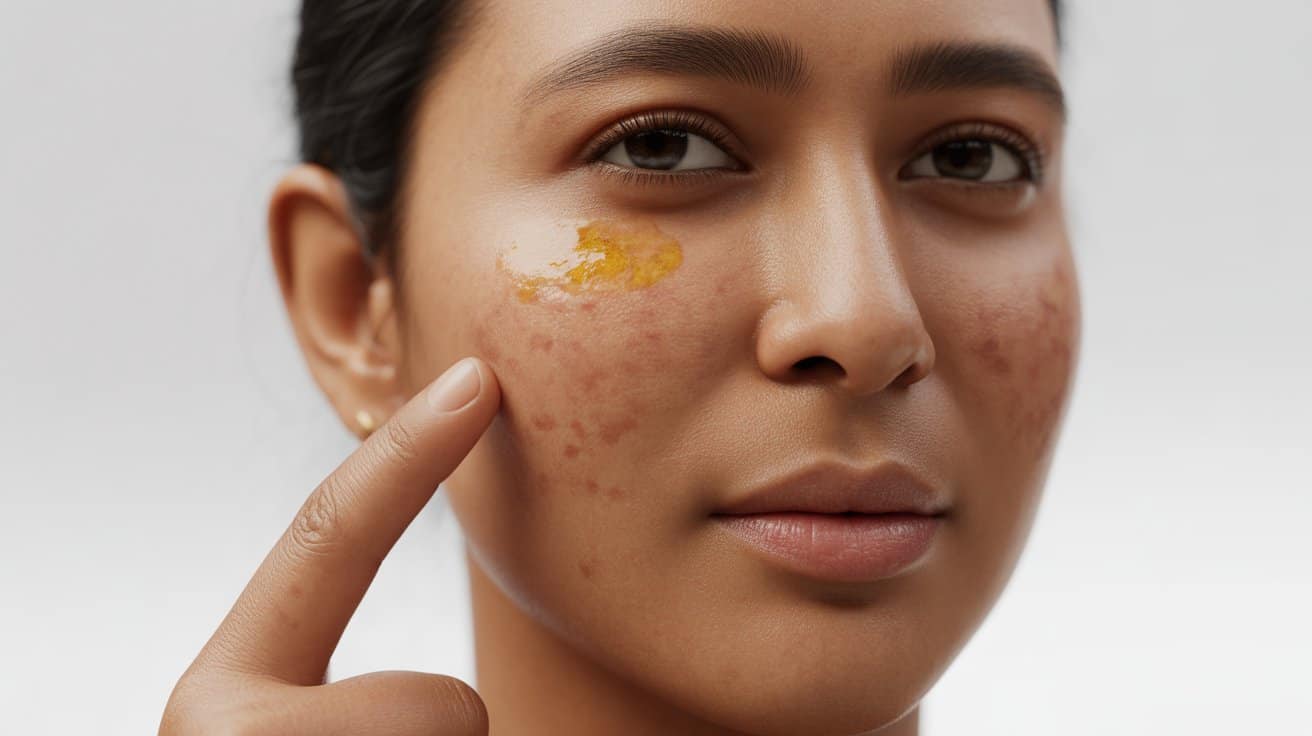
You’ve heard of probiotics for gut health. But what about probiotics for your skin? (AKA Probiotic skincare)
Yes — it’s a thing.
And no, it’s not just another fleeting trend in skincare. Probiotic-based products are quietly becoming staples, especially for people dealing with sensitivity, acne, or a damaged skin barrier.
Let’s dive into what probiotic skincare really means, how it works, and whether it’s worth adding to your routine.
First, What Are Skin Probiotics?
Your skin is home to millions of bacteria, both good and bad. Together, they form your skin microbiome, a layer that protects your skin from external threats.
Probiotic skincare aims to support this microbiome. But don’t expect live yoghurt on your face.
Most products contain:
- Ferments (by-products of probiotic activity)
- Lysates (fragments of good bacteria)
- Postbiotics (dead probiotics with active benefits)
These ingredients are safe, stable, and more effective than raw bacteria.
What’s the Hype About?
In simple terms, probiotic skincare helps your skin help itself. Here’s what it claims to do:
- Restore the skin’s natural balance
- Reduce inflammation and sensitivity
- Help manage acne and breakouts
- Improve moisture retention
- Strengthen the skin barrier
Think of it like giving your skin a support system — especially helpful if your skin barrier is compromised from harsh products or environmental damage.
Who Should Use Probiotic Skincare?
You’ll benefit the most if you have:
- Acne-prone skin
- Dryness or flakiness
- Redness or inflammation
- Sensitivity or eczema
That said, anyone looking to strengthen their skin barrier or make their skincare routine more microbiome-friendly can give it a go.
Ingredients to Look For
Keep an eye out for these names on your labels:
| Probiotic Ingredient | Why It Helps |
|---|---|
| Lactobacillus Ferment | Calms irritation, reduces redness |
| Bifida Ferment Lysate | Boosts barrier strength, hydrates deeply |
| Saccharomyces Ferment | Brightens and improves texture |
| Galactomyces Ferment Filtrate | Promotes even tone and glow |
| Streptococcus Thermophilus | Supports natural ceramide production |
Also, choose products that are pH balanced (around 5.5) and free from alcohol, sulphates, and synthetic fragrance — these can disrupt the microbiome.
Any Risks?
Not really. Most probiotic skincare products don’t contain live bacteria, so they’re safe and shelf-stable.
But as always, patch test first, especially if you have reactive skin.
Best Way to Add It to Your Routine?
Start with one probiotic product — ideally a serum, essence, or moisturiser — and let your skin adjust. Use it daily, after cleansing and before your heavier creams or oils.
And don’t forget: consistency beats quantity.
Final Thoughts
Probiotic skincare isn’t about miracle transformations overnight.
It’s about long-term skin health — giving your skin the balance it naturally craves.
So the next time your skin’s acting out, maybe don’t reach for the strongest acid or scrub.
Try supporting it from within — one friendly bacteria at a time.