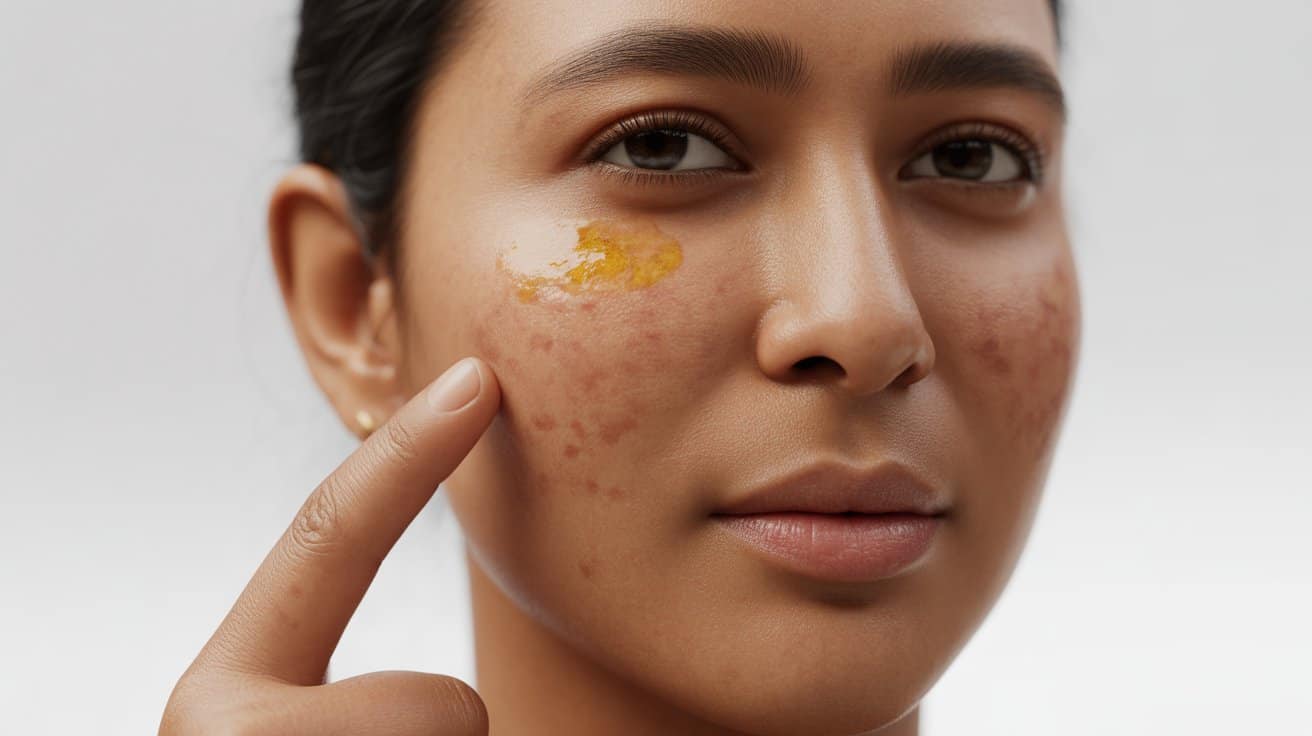
Sunscreen is a non-negotiable step in any skincare routine, protecting your skin from harmful UV rays that cause premature ageing, sunburn, and even skin cancer. However, choosing the right type can be confusing chemical sunscreen and physical sunscreen are the two main options. Here’s a detailed comparison to help you decide which is better for your skin type and lifestyle.
Table of Contents
What is Chemical Sunscreen?
Chemical sunscreens absorb into the skin and use active ingredients to convert UV rays into heat, which is then released from the skin. They are lightweight and easy to blend, making them popular for everyday use.
Key Ingredients:
- Avobenzone
- Oxybenzone
- Octinoxate
- Homosalate
Benefits of Chemical Sunscreen:
- Lightweight Formula: Blends easily into the skin without leaving a white cast.
- Great for Everyday Wear: Ideal for makeup layering due to its non-greasy texture.
- Water-Resistant: Many chemical sunscreens are water and sweat-resistant, making them ideal for outdoor activities.
Drawbacks:
- Potential Irritation: Can cause sensitivity or stinging, especially around the eyes.
- Environmental Concerns: Some ingredients, like oxybenzone, are linked to coral reef damage.
- Needs Time to Work: Requires 15–20 minutes to absorb and become effective.
What is Physical Sunscreen?
Physical sunscreen, also known as mineral sunscreen, sits on top of the skin and acts as a shield, reflecting and scattering UV rays. It’s made with natural mineral ingredients that are gentle and effective.
Key Ingredients:
- Zinc Oxide
- Titanium Dioxide
Benefits of Physical Sunscreen:
- Instant Protection: Starts working immediately after application.
- Gentle on Skin: Ideal for sensitive or acne-prone skin.
- Broad-Spectrum Protection: Provides reliable protection against both UVA and UVB rays.
- Eco-Friendly: Generally considered safer for marine life.
Drawbacks:
- White Cast: Can leave a noticeable white or chalky residue, especially on darker skin tones.
- Thicker Texture: May feel heavier or greasy, making it less suitable for oily skin.
- Frequent Reapplication: More prone to rubbing off and requiring reapplication.
Chemical vs. Physical Sunscreen: A Comparison
| Aspect | Chemical Sunscreen | Physical Sunscreen |
|---|---|---|
| Mechanism | Absorbs UV rays and converts them to heat. | Reflects and scatters UV rays. |
| Key Ingredients | Avobenzone, oxybenzone, octinoxate. | Zinc oxide, titanium dioxide. |
| Skin Type Suitability | Normal to oily skin; not ideal for sensitive skin. | Sensitive, dry, or acne-prone skin. |
| Finish | Lightweight and invisible. | Can leave a white cast. |
| Application | Requires 15–20 minutes before sun exposure. | Works immediately after application. |
| Reapplication | Less frequent; longer-lasting. | More frequent; rubs off more easily. |
| Environmental Impact | Some ingredients can harm coral reefs. | Generally safer for the environment. |
Which Should You Use?
Choose Chemical Sunscreen If:
- You prefer a lightweight formula that blends seamlessly.
- You need a sunscreen that layers well under makeup.
- You’re participating in water activities and need water resistance.
Choose Physical Sunscreen If:
- You have sensitive, acne-prone, or reactive skin.
- You want immediate sun protection without waiting.
- You prefer eco-friendly and reef-safe options.
Can You Combine Both?
Yes! Some sunscreens combine both chemical and physical filters, offering the benefits of both worlds. These hybrid sunscreens provide broad-spectrum protection while minimising drawbacks like white cast or irritation.
Tips for Effective Sunscreen Use
- Use Enough: Apply at least a nickel-sized amount for your face and more for your body.
- Reapply Frequently: Reapply every two hours, or immediately after swimming or sweating.
- Don’t Skip Cloudy Days: UV rays penetrate clouds, so sunscreen is essential year-round.
- Pair with Other Protection: Use hats, sunglasses, and seek shade during peak sun hours.
Conclusion
Both chemical and physical sunscreens offer effective sun protection, but their suitability depends on your skin type, lifestyle, and personal preferences. Chemical sunscreen is perfect for those seeking a lightweight, invisible finish, while physical sunscreen is a gentle, eco-friendly option for sensitive skin. Regardless of your choice, the most important thing is to wear sunscreen daily to protect your skin from harmful UV rays and maintain its health and beauty over time.