
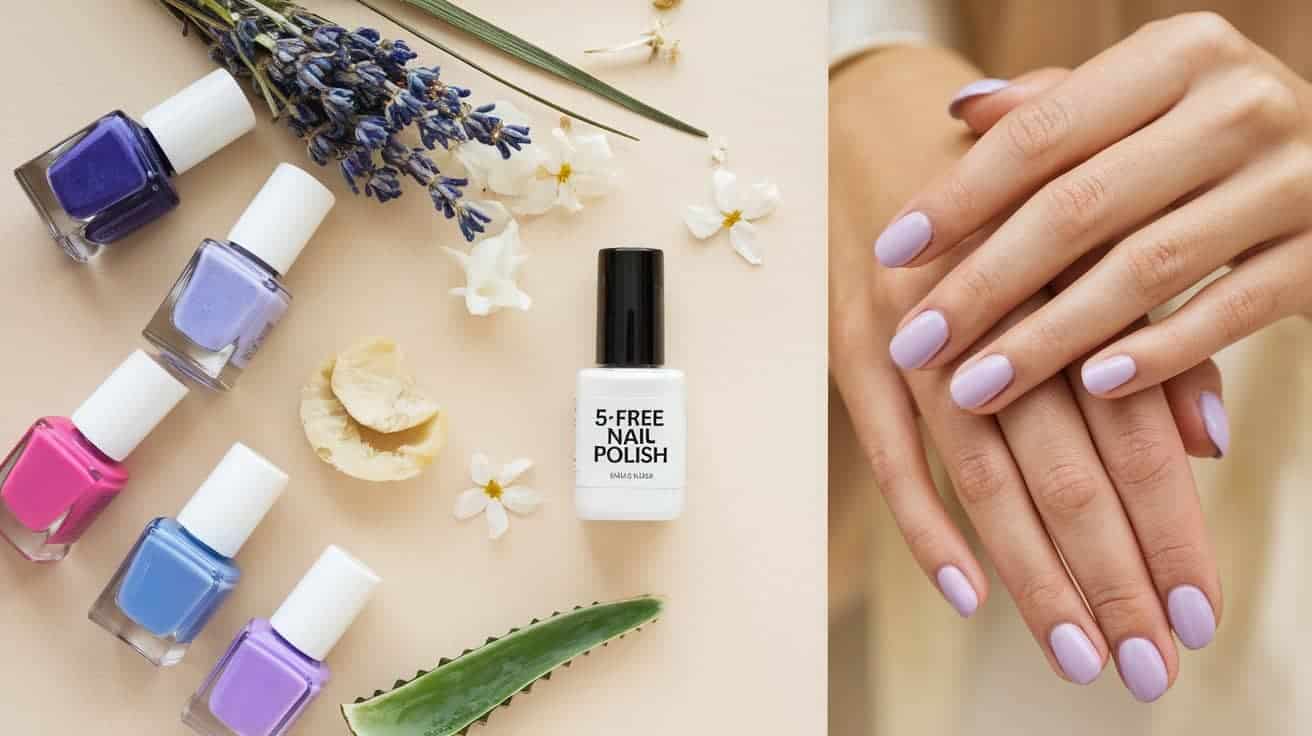
Nail paints are a staple in beauty routines, adding a pop of colour and style to our nails. However, concerns about their safety and the impact of certain chemicals have led many to wonder: Are nail paints harmful? Let’s explore the potential risks of nail paints, their common ingredients, and safer alternatives for those seeking a healthier approach to nail care.
Table of Contents
Understanding Nail Paint Ingredients
Most nail polishes contain a mix of chemicals that give them their colour, texture, and durability. While they help create that perfect manicure, some of these ingredients may raise safety concerns.
Common Harmful Ingredients in Nail Paints:
- Toluene:
- A solvent that gives nail polish a smooth finish.
- Can cause headaches, dizziness, and skin irritation with prolonged exposure.
- Formaldehyde:
- A hardening agent used to strengthen the polish.
- Known as a potential carcinogen and can trigger allergic reactions.
- Dibutyl Phthalate (DBP):
- Adds flexibility to the polish.
- Linked to reproductive health issues and hormone disruption.
- Camphor:
- Provides a glossy finish.
- Can cause dizziness or nausea in high doses.
- Xylene:
- Prevents polish from clumping.
- Can irritate the skin, eyes, and respiratory system.
Are Nail Paints Harmful?
Short-Term Effects:
- Irritation: Chemicals in nail polish can irritate the skin around the nails and cuticles.
- Odour Sensitivity: The strong smell of some nail paints can trigger headaches or nausea.
- Nail Health: Frequent use can lead to dry, brittle, or discoloured nails.
Long-Term Risks:
- Chemical Exposure: Prolonged exposure to harmful ingredients can have cumulative health effects, especially with frequent use.
- Hormonal Disruption: Phthalates like DBP are known endocrine disruptors.
- Environmental Impact: Many nail polish chemicals are non-biodegradable and harmful to aquatic life when disposed of improperly.
Safer Alternatives to Traditional Nail Paints
1. 5-Free and 10-Free Nail Polishes:
These are formulated without some of the most harmful chemicals, such as toluene, DBP, and formaldehyde. The “10-free” version eliminates even more potentially toxic ingredients.
- Examples: Zoya, Ella + Mila, Butter London.
2. Water-Based Nail Polishes:
These polishes use water as a solvent instead of chemicals, making them non-toxic and odourless. They are especially safe for children and pregnant individuals.
- Examples: Piggy Paint, Acquarella.
3. Gel Alternatives Without UV:
Traditional gel manicures require UV light, which can damage the skin. Newer “gel-like” polishes mimic the durability of gel without harmful UV exposure.
- Examples: Essie Gel Couture, Sally Hansen Miracle Gel.
4. Breathable Nail Polishes:
These allow oxygen and water to pass through, reducing nail suffocation and keeping them healthier.
- Examples: Orly Breathable Treatment + Color.
5. Henna for Nails:
A natural, plant-based option, henna can be used to tint nails. While it lacks the vibrant colours of nail polish, it is entirely chemical-free and nourishing.
Comparison: Traditional Nail Paints vs. Safer Alternatives
| Aspect | Traditional Nail Paints | Safer Alternatives |
|---|---|---|
| Chemical Content | Contains toluene, DBP, formaldehyde, etc. | Free from harmful chemicals; water or plant-based |
| Health Impact | Potential irritation, hormonal disruption, long-term risks | Minimal or no health risks |
| Odour | Strong chemical smell | Odourless or mild |
| Durability | Long-lasting | Varies; some options like gel alternatives are comparable |
| Environmental Impact | Non-biodegradable, harmful | More eco-friendly |
| Price Range | Affordable to mid-range | Slightly higher but worth the safety benefits |
How to Minimise Harm if Using Regular Nail Paints
- Choose Better Options: Opt for “5-free” or “10-free” formulas.
- Ventilation: Apply nail polish in a well-ventilated area to avoid inhaling fumes.
- Use a Base Coat: Protect your nails from direct contact with harmful chemicals.
- Limit Usage: Avoid reapplying nail polish frequently to let your nails breathe.
- Proper Removal: Use non-acetone removers to minimise damage.
Conclusion
While traditional nail paints may pose some health and environmental risks, safer alternatives like water-based, 5-free, and breathable formulas offer a healthier approach. Whether you choose to stick with regular nail polish or switch to alternatives, understanding the ingredients and taking precautions can help you enjoy beautiful nails without compromising your health.
Your nails deserve both beauty and care—make informed choices to keep them healthy and strong!


