In the ever-evolving world of natural skincare, few ingredients have stood the test of time like rosehip. Known for its regenerative and anti-aging properties, rosehip oil and rosehip seed extract are now staples in cosmetic products worldwide. From face oils and serums to creams and lotions, this ingredient has gained fame for its ability to hydrate, brighten, and restore youthful skin.
If you’ve ever wondered what makes rosehip such a powerful ingredient in beauty products, this article will provide everything you need to know. We’ll explore its origin, composition, benefits, and how you can incorporate it into your daily skincare routine.
What is Rosehip?
Rosehip (Rosa canina) is a fruit that grows on wild rose bushes, especially in regions of South America, Europe, and Africa. Unlike roses used for ornamental purposes, the rosehip fruit is harvested after the flowers drop their petals. The seeds and flesh of this fruit are rich in vitamins, antioxidants, and essential fatty acids, making it a powerhouse ingredient for skincare.
Rosehip is commonly used in cosmetics in two forms:
- Rosehip Oil: Extracted from the seeds of the rosehip fruit through cold-pressing.
- Rosehip Seed Extract: Obtained from the whole fruit, containing a more concentrated form of the beneficial nutrients.
Why is Rosehip Used in Cosmetics?
Rosehip is one of the most sought-after natural ingredients in the cosmetic world due to its multi-functional properties. It provides hydration, improves skin elasticity, reduces scars, and enhances overall skin health. Here’s why it’s become a key ingredient in cosmetic formulations:
Key Nutrients in Rosehip
Rosehip is packed with nutrients that contribute to its effectiveness in cosmetics. Here are the most notable ones:
- Vitamin C: Known for its ability to brighten the skin, fade dark spots, and promote collagen production.
- Vitamin A (Retinoic Acid): Promotes skin renewal and regeneration, making it effective in reducing wrinkles and fine lines.
- Essential Fatty Acids (Omega-3, Omega-6, Omega-9): These are crucial for maintaining the skin’s moisture barrier and promoting softness.
- Phenols and Polyphenols: Have antioxidant and anti-inflammatory properties, protecting the skin from pollution and sun damage.
Benefits of Rosehip in Cosmetics
Here’s a breakdown of why rosehip has become a hero ingredient in modern skincare formulations.
1. Hydrates and Moisturises
Rosehip oil is rich in essential fatty acids (linoleic and linolenic acid), which are essential for maintaining the skin’s lipid barrier. This barrier prevents water loss, keeping your skin hydrated, soft, and plump.
- Best Products: Moisturizers, face oils, and body creams.
- Ideal For: People with dry, flaky, or dehydrated skin.
2. Reduces Hyperpigmentation and Dark Spots
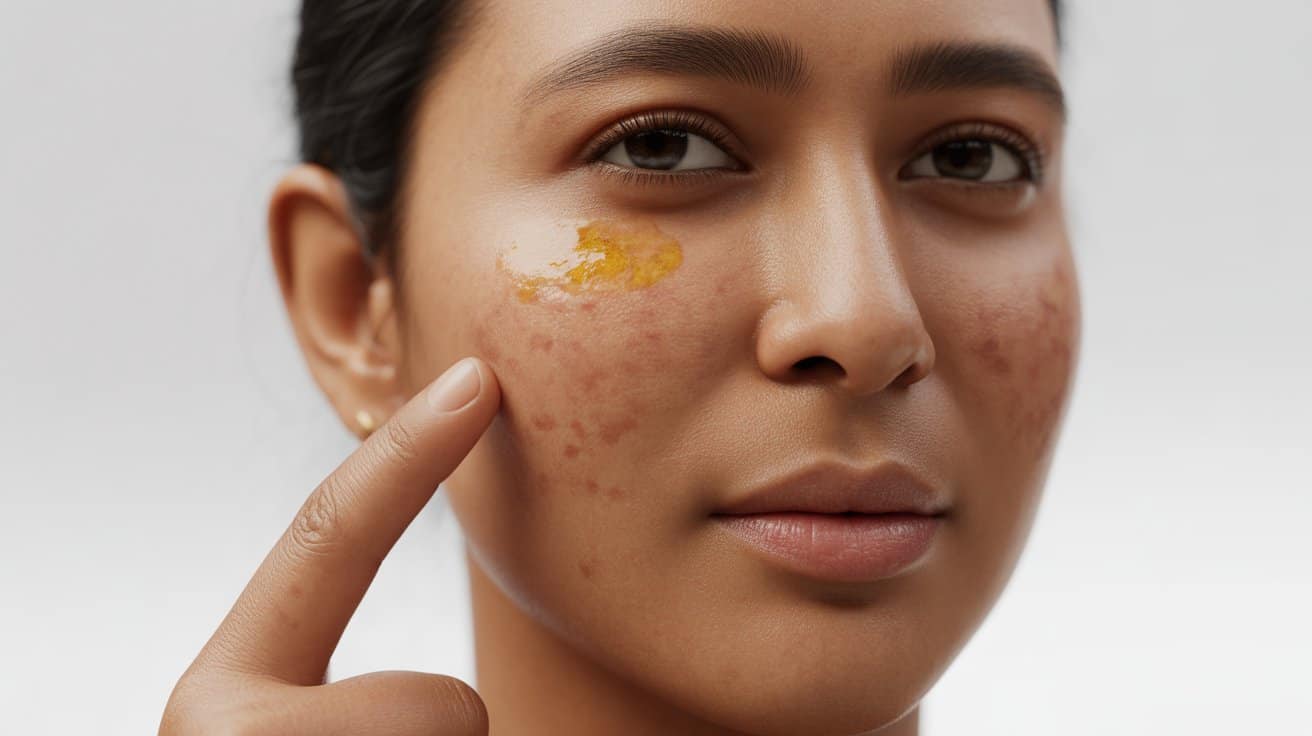
Rosehip is a natural source of Vitamin C, which is well known for its brightening effects. It reduces the appearance of dark spots, sun spots, and hyperpigmentation. It also promotes an even skin tone, giving you that glowing, radiant look.
- How It Works: Vitamin C inhibits melanin production, preventing further dark spots from forming.
- Best Products: Serums, spot treatments, and brightening face creams.
- Ideal For: People with uneven skin tone, sunspots, or hyperpigmentation.
3. Anti-Aging and Wrinkle Reduction
Rosehip contains Vitamin A (Retinoic Acid), which is a natural alternative to retinol. It promotes cell turnover, leading to a reduction in fine lines, wrinkles, and crow’s feet.
- How It Works: Retinoic acid increases collagen production, which keeps the skin firm and smooth.
- Best Products: Anti-aging serums, night creams, and face oils.
- Ideal For: Mature skin, or people looking to prevent premature ageing.
4. Reduces Scars and Stretch Marks
Rosehip’s wound-healing properties make it effective in reducing scars and stretch marks. This is due to its high concentration of essential fatty acids and Vitamin A, which encourage skin cell regeneration.
- How It Works: Promotes the production of new skin cells, fading the appearance of scars over time.
- Best Products: Stretch mark creams, scar gels, and body oils.
- Ideal For: People with acne scars, surgery scars, or stretch marks from pregnancy or weight changes.
5. Soothes Inflammation and Redness
If you struggle with sensitive skin, rosacea, or eczema, rosehip can be a soothing ingredient. Its anti-inflammatory compounds, like polyphenols, calm the skin and reduce redness.
- How It Works: The antioxidants in rosehip neutralize free radicals and reduce the production of inflammation-causing cytokines.
- Best Products: Calming creams, redness-reducing serums, and soothing facial oils.
- Ideal For: People with sensitive, red, or rosacea-prone skin.
Cosmetic Products That Use Rosehip
Here are some of the most common beauty and skincare products that contain rosehip:
- Face Oils: Hydrates, nourishes, and promotes a youthful glow.
- Serums: Delivers antioxidants and brightening effects directly to the skin.
- Anti-Aging Creams: Reduces wrinkles, tightens the skin, and restores elasticity.
- Eye Creams: Soothes the delicate under-eye area, reducing puffiness and dark circles.
- Body Lotions and Stretch Mark Creams: Repairs skin and fades stretch marks and scars.
- Facial Mists: Provides a refreshing boost of hydration throughout the day.
How to Use Rosehip in Your Skincare Routine
To incorporate rosehip into your skincare routine, follow these steps:
- Cleanse: Wash your face with a gentle cleanser.
- Apply Serum: If using a rosehip serum, apply it to clean, damp skin.
- Use Facial Oil: Apply a few drops of rosehip oil after your serum. Gently pat it into the skin.
- Moisturise: Lock in hydration with a moisturizer or cream.
- Sunscreen: If using rosehip oil in the morning, finish with an SPF.
Pro Tip: For best results, use rosehip oil at night, as Vitamin A (retinoic acid) may make your skin more sensitive to the sun.
Who Should Use Rosehip in Cosmetics?
Rosehip is suitable for all skin types, but it works especially well for:
- Dry Skin: Restores hydration and prevents flaking.
- Sensitive Skin: Calms redness and irritation.
- Aging Skin: Fights wrinkles and boosts collagen production.
- Acne-Prone Skin: Reduces scars and brightens dark spots.
Potential Side Effects of Rosehip
While rosehip is generally safe for all skin types, some people may experience mild irritation or an allergic reaction. To avoid this, do a patch test before using rosehip-based products.
Conclusion
Rosehip is a multi-tasking ingredient that offers hydration, anti-aging, brightening, and healing benefits. Its potent blend of Vitamin A, Vitamin C, and essential fatty acids makes it a sought-after ingredient in serums, face oils, and anti-aging creams. Whether you’re looking to reduce scars, fight wrinkles, or restore hydration, rosehip is a must-have ingredient in any skincare routine.
If you’re searching for a product that offers a natural, gentle, and effective approach to skincare, look for cosmetics containing rosehip oil or rosehip seed extract. Its proven benefits, versatility, and safety make it a top choice for anyone looking for healthier, younger-looking skin.