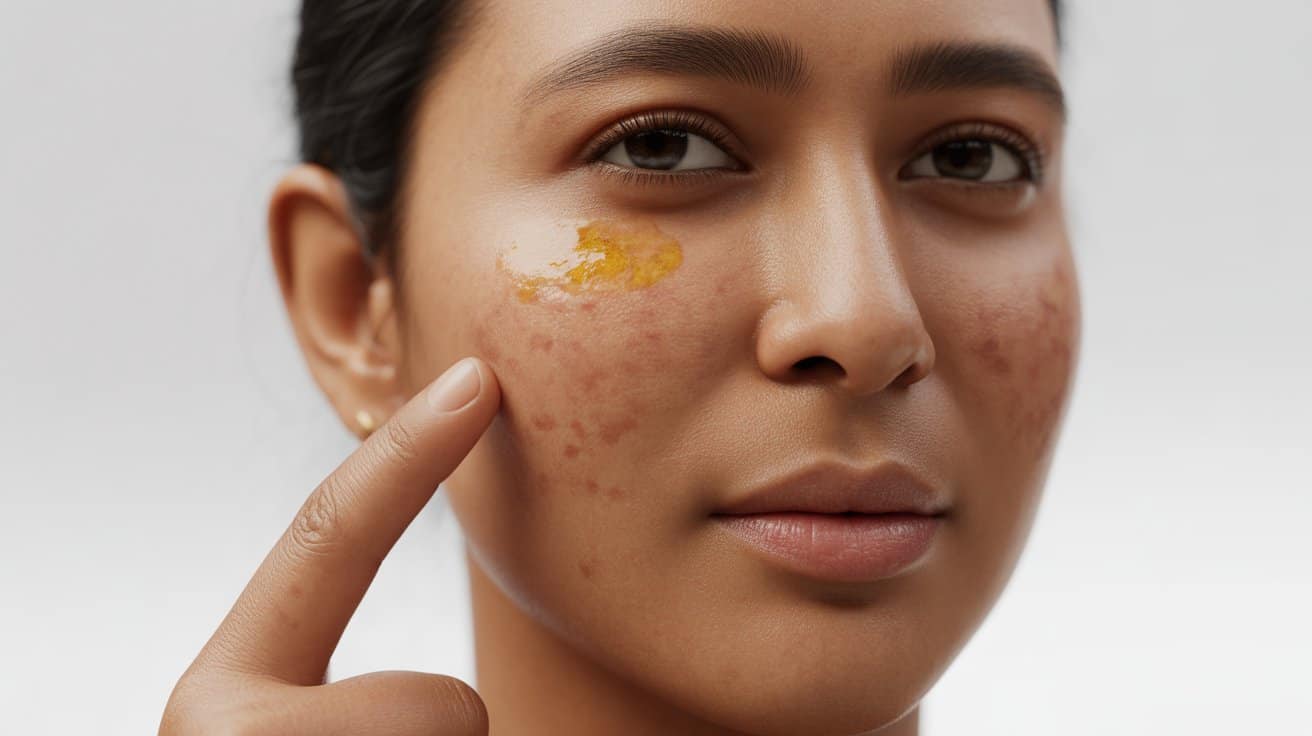
Ginger has been celebrated in skincare for centuries, particularly in Ayurvedic traditions. Its unique anti-inflammatory and antioxidant properties make it effective for addressing various skin issues, from dullness to signs of ageing.
Historical Uses of Ginger in Skincare
Ancient Chinese, Indian, and Middle Eastern cultures used ginger as a beauty treatment. Known for its warming and stimulating effects, ginger was applied to the skin to increase circulation, which improved radiance and helped with skin tone. Its high levels of gingerol, a potent antioxidant, were believed to protect the skin from environmental damage and reduce early signs of ageing. Additionally, ginger’s anti-inflammatory nature made it a popular remedy for acne and blemishes, with traditional healers often combining ginger with other herbs to create masks or poultices for soothing and revitalizing the skin.
Modern Cosmetic Ingredients vs. Ginger
In today’s skincare market, several synthetic and natural ingredients are used to achieve similar effects. Below is a comparison of ginger with modern cosmetic ingredients that target similar skin concerns:
| Property | Ginger | Vitamin C | Hyaluronic Acid | Retinoids (e.g., Retinol) |
|---|---|---|---|---|
| Antioxidant | High (gingerol, zingerone) protects from free radicals | High, brightens skin and reduces pigmentation | Moderate, preserves moisture but not primarily antioxidant | High, stimulates collagen but can be irritating |
| Anti-Inflammatory | Strong, calms redness and irritation | Moderate, reduces irritation but can be sensitizing | Mild, mainly hydrating, soothes skin indirectly | Mild to none, can cause irritation for sensitive skin |
| Collagen Production | Moderate, stimulates collagen but slower than retinoids | Moderate, promotes collagen synthesis | Moderate, preserves moisture but is not primarily antioxidant | High, actively promotes collagen production for anti-aging |
| Skin Brightening | Moderate, natural glow and even skin tone over time | High, directly targets pigmentation and brightens | None, indirectly improves brightness by plumping | Moderate, gradually improves skin texture and tone |
| Hydration | Mild, mainly due to improved circulation | Mild, indirect hydration effects | High, deeply hydrates and retains skin moisture | None, retinoids may even cause dryness |
How Ginger Stands Out
While ginger doesn’t directly hydrate the skin like hyaluronic acid or stimulate rapid collagen production like retinoids, it has the unique advantage of combining multiple skin benefits naturally. Its antioxidant and anti-inflammatory properties work gently and gradually, making it suitable for daily use, even on sensitive skin. While not as quick-acting as retinoids, ginger offers a natural alternative for those seeking a holistic approach to skincare.
Benefits of Using Ginger in Modern Skincare
- Natural Radiance: Regular use of ginger in skincare routines can result in a healthy, natural glow, owing to its circulation-boosting effects.
- Balanced Anti-Aging: For those sensitive to retinoids, ginger provides a milder alternative for long-term anti-ageing without the risk of irritation.
- Acne Reduction: Ginger’s antibacterial properties help reduce acne and blemishes, offering a natural way to achieve clear skin.
- Reduced Redness: Its anti-inflammatory properties are helpful for soothing redness, making it beneficial for those with rosacea or sensitive skin.
In summary, ginger offers a multi-functional, natural approach to skincare, rivalling modern cosmetic ingredients in a gentle, well-rounded way. It’s an ideal option for those looking for gradual, non-irritating improvement in skin health and appearance, particularly when combined with other natural oils or ingredients for hydration and brightness.